Step 1: the brief
The brief is a ten-minute form on this site, an email or a call. It covers the idea or the campaign message; the product, with clear photos from every angle if it must appear; any real person, with their photos, a few seconds of footage and their written consent; the brand, with logo and guidelines; where the film will run, which decides the formats; the language and dialect of the voice-over; the date it is needed. You do not need a script. If you have one, we use it; if not, we write it.
Within one working day you receive a plan: a short treatment, the number of scenes, the deliverables and an exact quote.
Step 2: the storyboard
This is the step that makes the rest possible. Every scene is drawn as a frame and described in one block: the camera and the lens, the light, the location, who is in it and what they do, the line or the lyric, and how long it lasts. The storyboard also sets the look: realistic, stylised, animated or surreal, with reference frames so there is no ambiguity.
You review it scene by scene, in Arabic or English, and mark each one approved or changed. Changing a scene at this stage costs a note. The same change after production would be a reshoot, which is why dotMD does not start generating until the storyboard is signed off.
Step 3: production
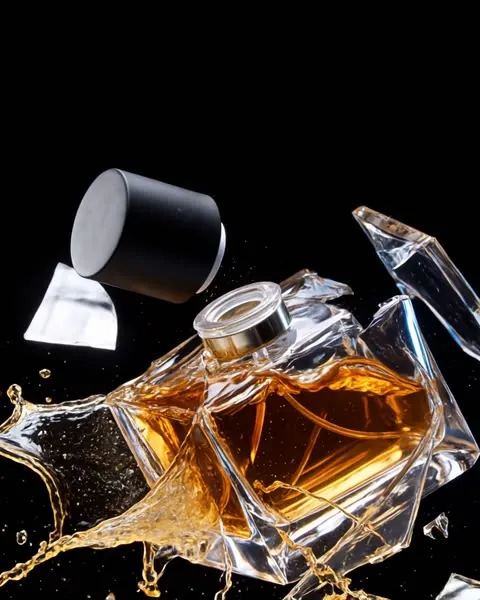
Production turns each approved frame into motion. Scenes are generated with AI video and image tools, directed to the storyboard: camera movement, blocking, continuity of faces, clothes, products and light across shots. A person who appears in the film is matched to their own photos and footage, with their consent. A product is matched to its photos: shape, colour, label and text unchanged, only the world around it built.
Then the craft that every film needs: editing to the music or the voice, colour grading, sound design, music, voice-over in the chosen dialect, captions and end cards. Where a shot does not meet the storyboard, it is regenerated until it does. Nothing you have not approved goes on screen.
Step 4: delivery
You receive the final cut for a second approval, then the deliverables: a 16:9 master for TV, YouTube and screens; 9:16 for Reels, TikTok and Shorts; 4:5 and 1:1 for feed; and stills pulled from the film for posts, thumbnails and print. If something in the cut needs adjusting, tell us and we fix it. Usage is agreed in the brief: where the film runs, for how long and under which brand.
Timeline
| Stage | What happens | Who acts |
|---|---|---|
| Day 0 | Brief arrives | You |
| Within one working day | Plan and exact quote | dotMD |
| First days | Script and storyboard, scene by scene | dotMD |
| Storyboard review | Approve or change each scene | You |
| Production | Generation, edit, colour, sound, voice | dotMD |
| Final cut review | Approve or adjust | You |
| About nine working days | Delivery in every format | dotMD |
Nine working days is the typical length for an ad film or a music video with a normal storyboard. A teaser, a set of product stills or a single album cover takes less. A long-form video or a film with many real people takes longer, and the plan says so before you commit.
What AI changes, and what it does not
What changes: there is no crew, location, permit, travel, weather or reshoot. Scenes that would be impossible or expensive to film, a product the size of a building, a city at dawn with no traffic, a model in six countries in one afternoon, cost the same as a simple one. Every format comes from the same production. And the client sees the whole film on paper before paying for production.
What does not change: the film still needs a director, an editor, a colourist and a sound designer, which is what dotMD is. Taste, continuity and pacing are human decisions. Real people and real products are matched to real photographs, never invented. And some things take more iterations than others: long spoken dialogue, large crowds with specific faces, exact long text on screen. The storyboard flags these before production so the timeline is honest.